

Against the odds: how your support is keeping medical students on track
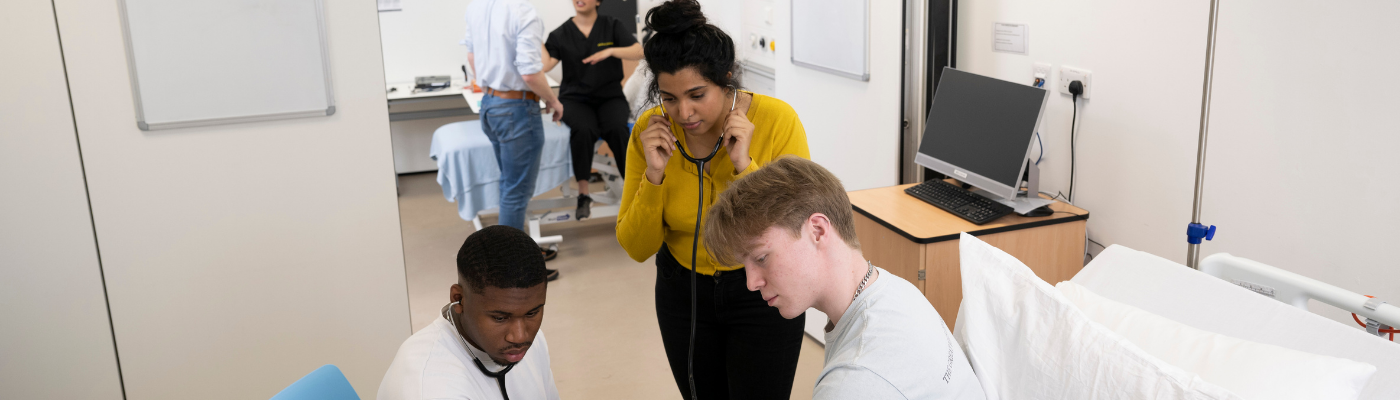
For many of us, the image of a medical student conjures late nights in the library or the pride of wearing scrubs and a stethoscope for the first time. What the picture rarely shows is the student who skipped lunch to save money for the bus, or the one who worked a late shift the night before a clinical exam.
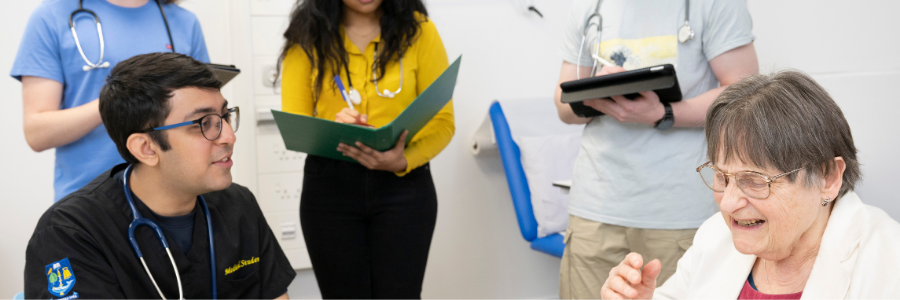
At the University of Glasgow's Undergraduate Medical School, the reality for a growing number of students is exactly that. Over 20% of the School's 2,000-strong student body come from backgrounds of social and economic deprivation. Many are the first in their families to pursue a professional career. All of them face a medical degree that is as expensive as it is demanding - spanning five years, multiple hospital sites across the West of Scotland, and clinical placements that can mean early starts, long journeys, and costs that quickly mount.
In recent years, rising rents and transport costs have tightened the pressure further. When a single day's travel between Edinburgh and Glasgow costs £21, a student without financial support faces an impossible choice: get to placement or keep the lights on.
But donors to the Medical School Hardship Fund have made all the difference.
Since 2021, donations to the University of Glasgow's Medical School Hardship Fund have provided fast, practical support - typically between £100 and £500 - to students in acute financial difficulty. The awards are modest, but their impact is anything but.
"The hardship fund made a huge difference to my ability to engage with medical school," wrote one fourth-year student, who used a grant to cover rent after an unexpected change in circumstances left them unable to pay. Without it, they said, they would have had to withdraw from the programme entirely.
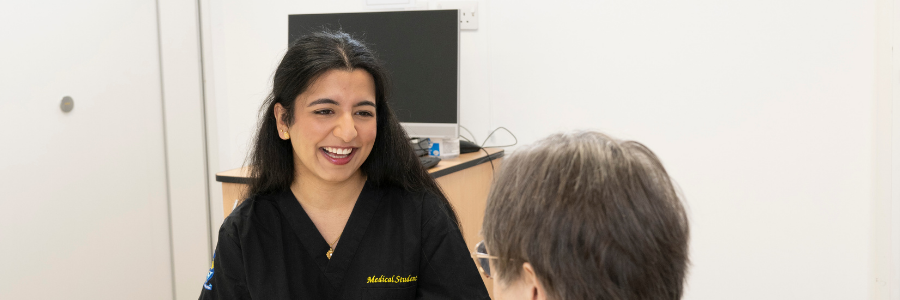
A fifth-year student described how the fund allowed them to reduce their working hours in the lead-up to exams - creating the space to study, and ultimately to graduate. "Honestly, I'm not sure if I would've managed to graduate without some financial support," they reflected. "I feel lucky to have had this opportunity, coming from a lower-income background."
These are not stories of students who lacked ability or commitment. They are stories of students who needed a bridge - and found one, because donors like you built it.
Professor Malcolm Shepherd, Head of the Undergraduate Medical School is clear about what is at stake. "These students are changing the face of the profession," he says. "Supporting them to complete their studies means that those who treat the population better reflect the population that needs to be treated."
The School is now working to make sure that the support which has proved so vital can continue to reach students in need.
The next generation of doctors is training right now, and some of them are there because of you. Thank you.